
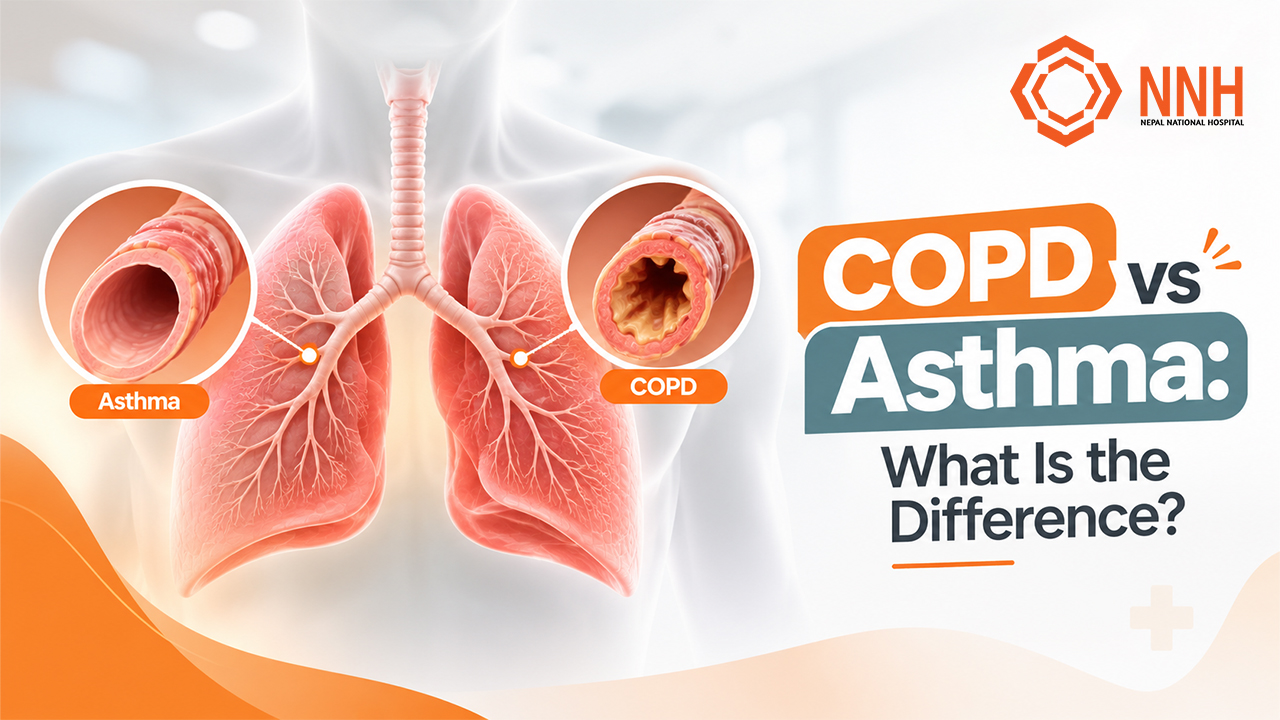
COPD and asthma can look surprisingly similar. Both can cause cough, wheezing, shortness of breath and chest tightness, and both can suddenly become worse during a flare-up. They are not, however, the same lung condition. Asthma typically causes respiratory symptoms that vary over time and may be triggered by exercise, respiratory infections, allergens, smoke, weather …
Category Archives: Uncategorized
How to Protect Your Lungs During Kathmandu’s Pollution Season
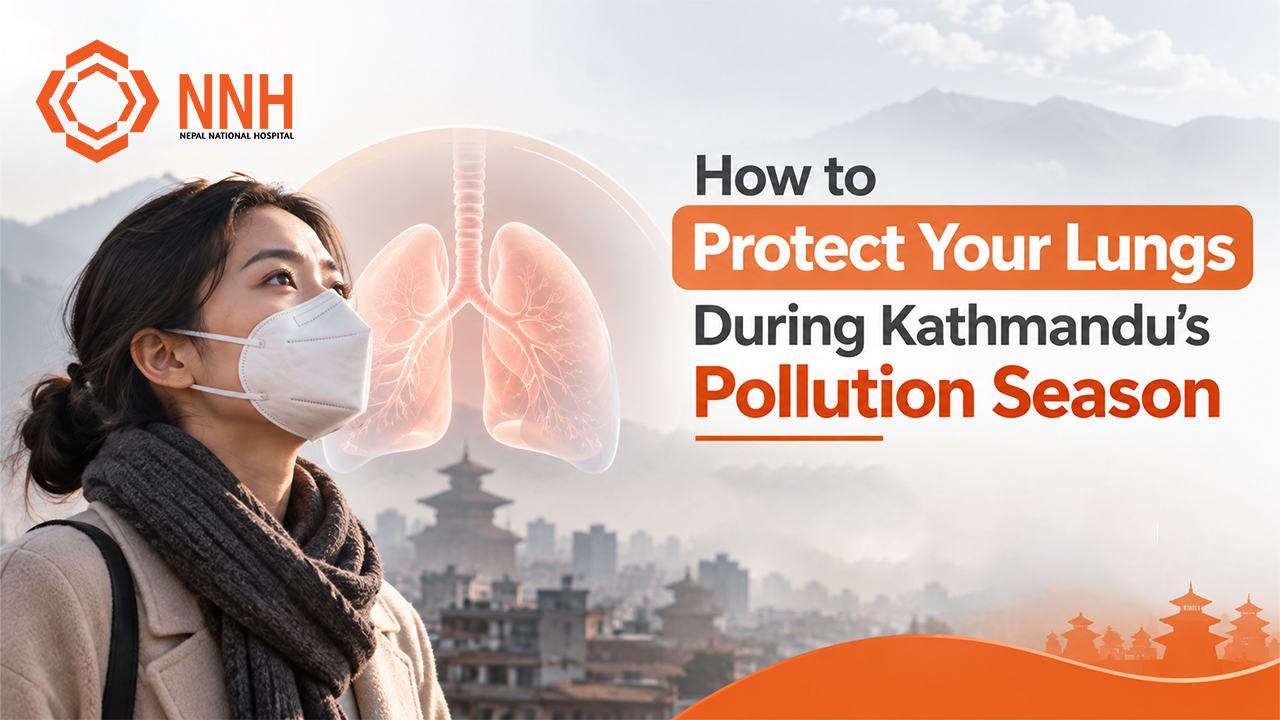
When Kathmandu’s air quality deteriorates, the most useful way to protect your lungs is to reduce the amount of polluted air you breathe. Check local air quality before planning prolonged outdoor activity, spend less time near heavy traffic and visible smoke, shift strenuous exercise when pollution is high, keep indoor pollution sources low, and take …
Continue reading “How to Protect Your Lungs During Kathmandu’s Pollution Season”
Pneumonia Treatment in Kathmandu: Symptoms, Risk Factors and Treatment Options
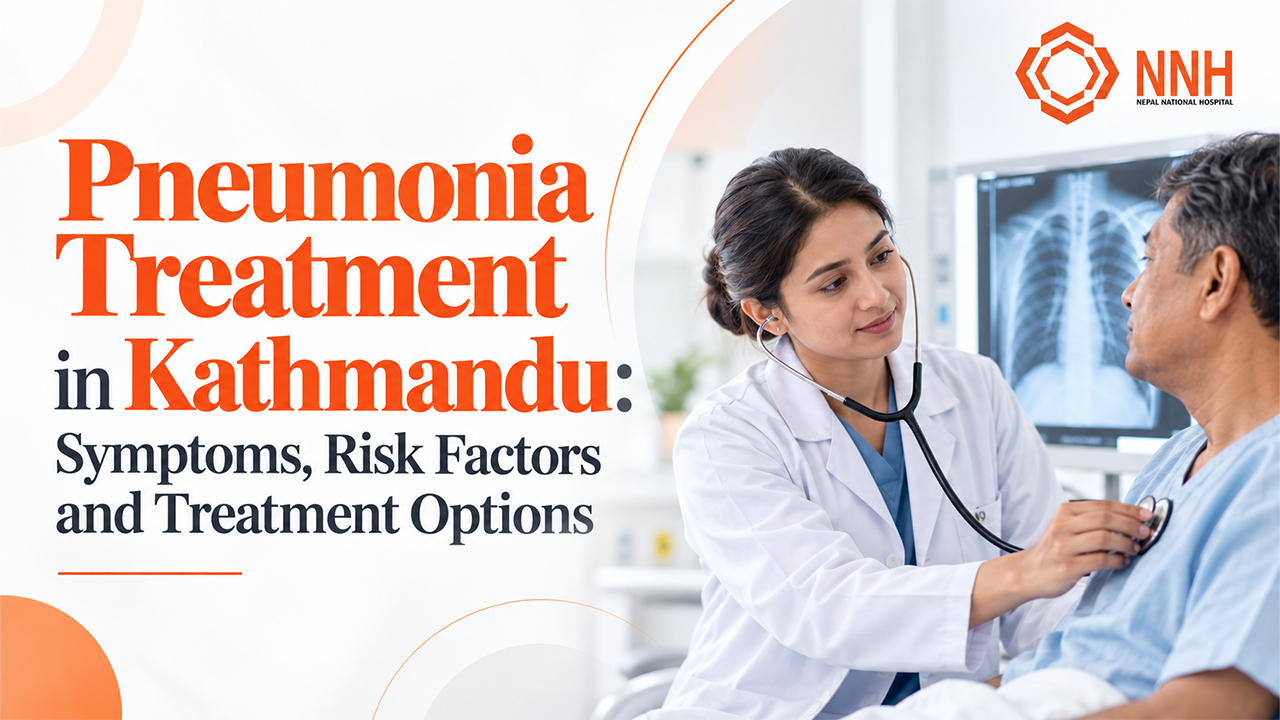
Pneumonia is an infection of the lungs that can range from a relatively mild illness to a medical emergency. Pneumonia treatment in Kathmandu depends on the cause of the infection, the patient’s age and general health, oxygen level, symptom severity and whether complications are present. Some people can recover with treatment and monitoring at home, …
Continue reading “Pneumonia Treatment in Kathmandu: Symptoms, Risk Factors and Treatment Options”
How to Use an Asthma Inhaler Correctly: Step-by-Step Guide

Knowing how to use an asthma inhaler correctly is essential because the medicine must travel through the device and reach the airways to work as intended. The correct technique depends on the inhaler type. A pressurized metered-dose inhaler usually requires a slow, deep breath coordinated with pressing the canister, while most dry-powder inhalers require a …
Continue reading “How to Use an Asthma Inhaler Correctly: Step-by-Step Guide”
PFT Test in Kathmandu: What Is a Pulmonary Function Test?
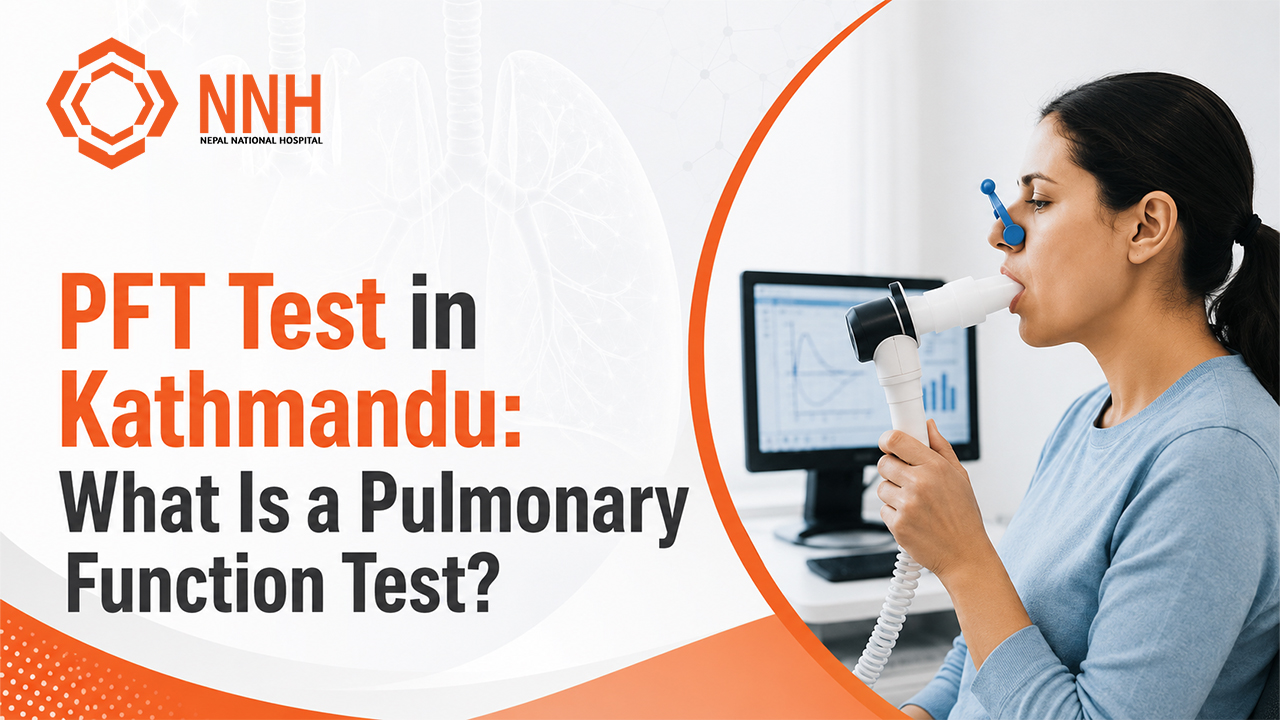
A pulmonary function test, or PFT, is a breathing assessment used to measure how well the lungs and airways are working. Depending on the test ordered, it can measure how much air a person can move, how quickly they can exhale, how much air the lungs can hold and how effectively gases pass from the …
Continue reading “PFT Test in Kathmandu: What Is a Pulmonary Function Test?”
COPD Treatment in Kathmandu: Symptoms & Management
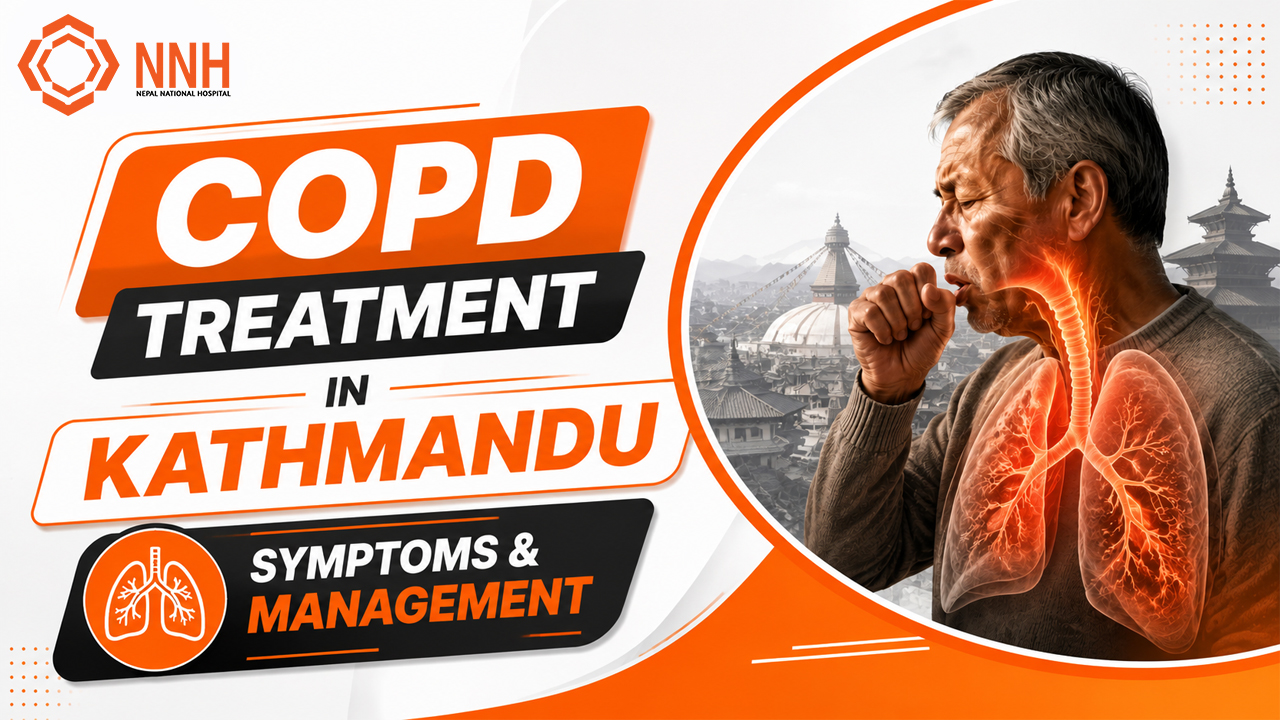
COPD treatment in Kathmandu should begin with confirmation of the diagnosis, an assessment of breathing symptoms and previous flare-ups, and identification of exposures such as smoking, household smoke, air pollution or occupational dust. Management may include inhaled medicines, smoking cessation, vaccination, physical rehabilitation, inhaler education, oxygen assessment and urgent treatment when symptoms suddenly worsen. This …
Continue reading “COPD Treatment in Kathmandu: Symptoms & Management”
Asthma Treatment in Kathmandu: Symptoms, Triggers and Management
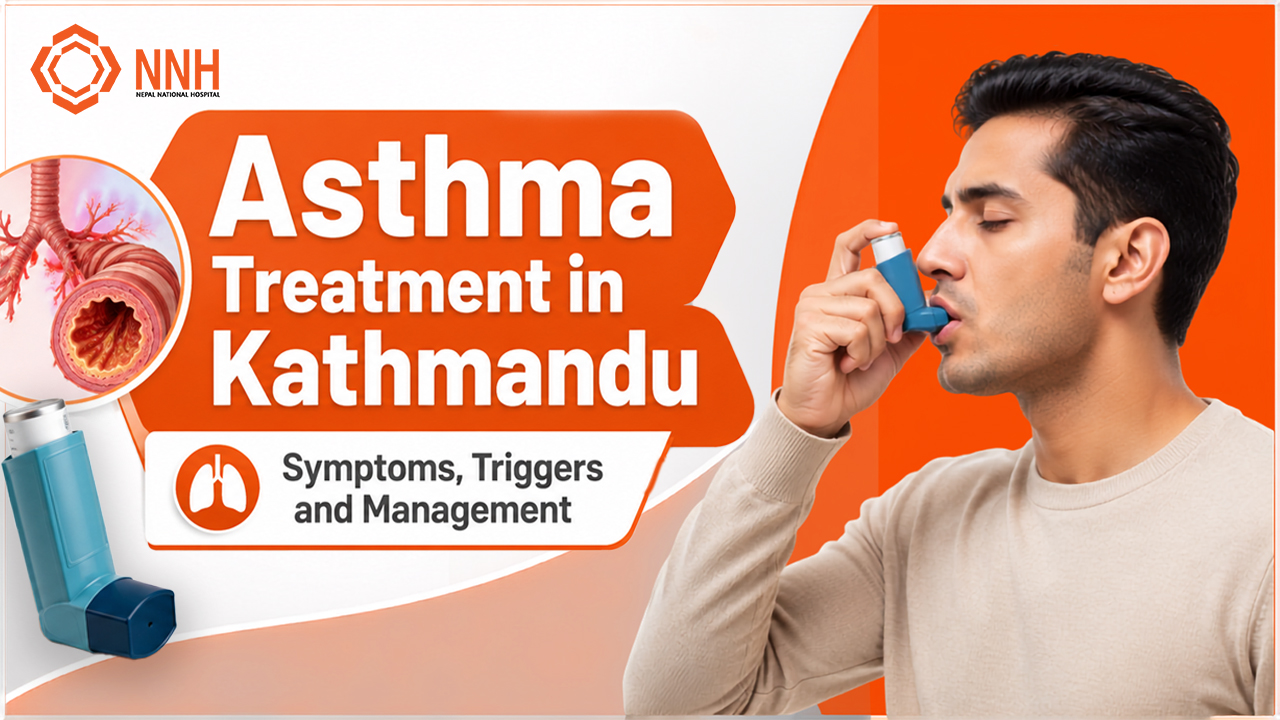
Asthma treatment in Kathmandu should begin with an accurate diagnosis, an assessment of symptom severity and a plan that addresses both airway inflammation and individual triggers. Effective management usually includes an inhaled corticosteroid-containing medicine, correct inhaler technique, a suitable reliever, trigger reduction, regular follow-up and a written plan for worsening symptoms. This article is for …
Continue reading “Asthma Treatment in Kathmandu: Symptoms, Triggers and Management”
When Should You See a Pulmonologist in Kathmandu for Cough and Breathing Problems?
A cough that does not go away, repeated wheezing, chest tightness, or shortness of breath during normal activities should not be ignored. A pulmonologist in Kathmandu can help evaluate symptoms related to the lungs, airways, and breathing system. At Nepal National Hospital, Kalanki, pulmonology care is available through the Department of Medicine / Pulmonology, where …
Pulmonology Hospital in Nepal: Lung, Asthma and COPD Care at Nepal National Hospital
Pulmonology Hospital in Nepal is a common search for people managing breathlessness, persistent cough, wheezing, asthma, COPD, chest infections, or other lung concerns. At Nepal National Hospital (NNH) in Kalanki, Kathmandu, pulmonology is provided through the Department of Medicine, with consultation by a listed pulmonologist, pulmonary function testing (PFT), X-ray and laboratory support, plus 24/7 …
Why Is Kidney Disease Often Detected Only in Its Final Stage?
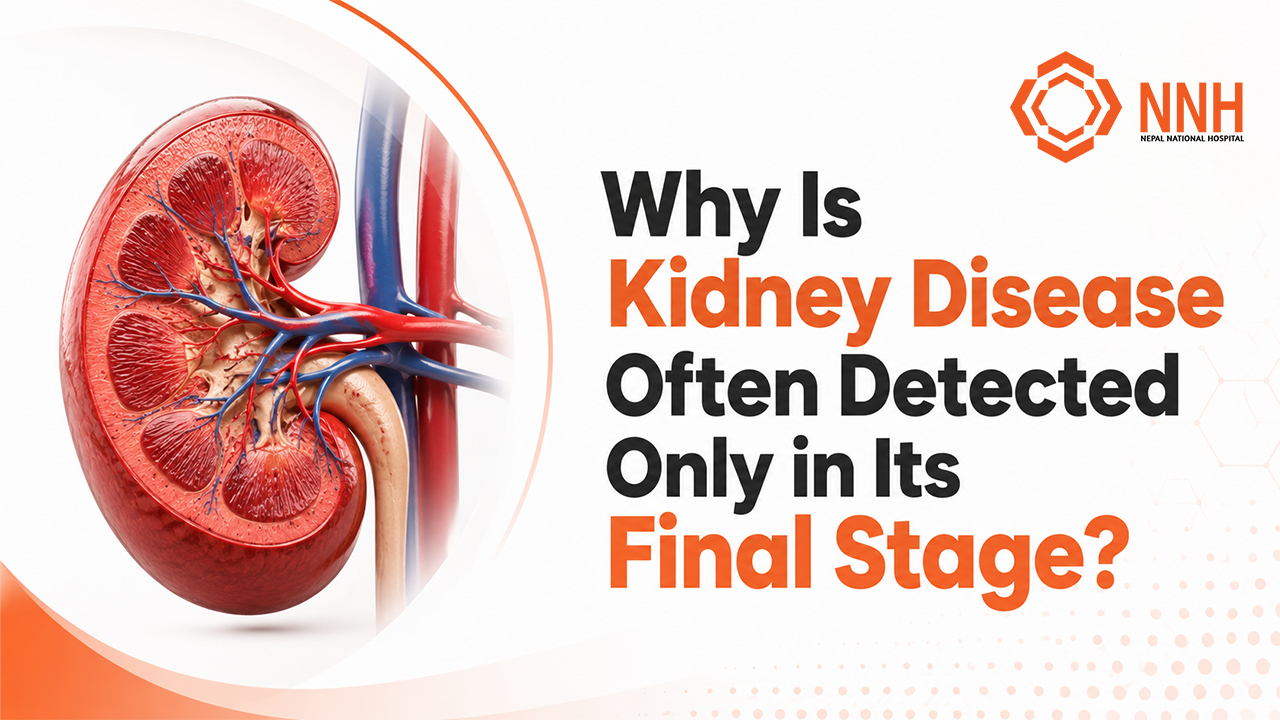
Kidney disease is often detected late because the kidneys can lose a significant amount of function without causing obvious symptoms. This is why many people do not realise they have chronic kidney disease until a blood test, urine test, swelling, uncontrolled blood pressure, or another complication brings them to a hospital. The most accurate answer …
Continue reading “Why Is Kidney Disease Often Detected Only in Its Final Stage?”
