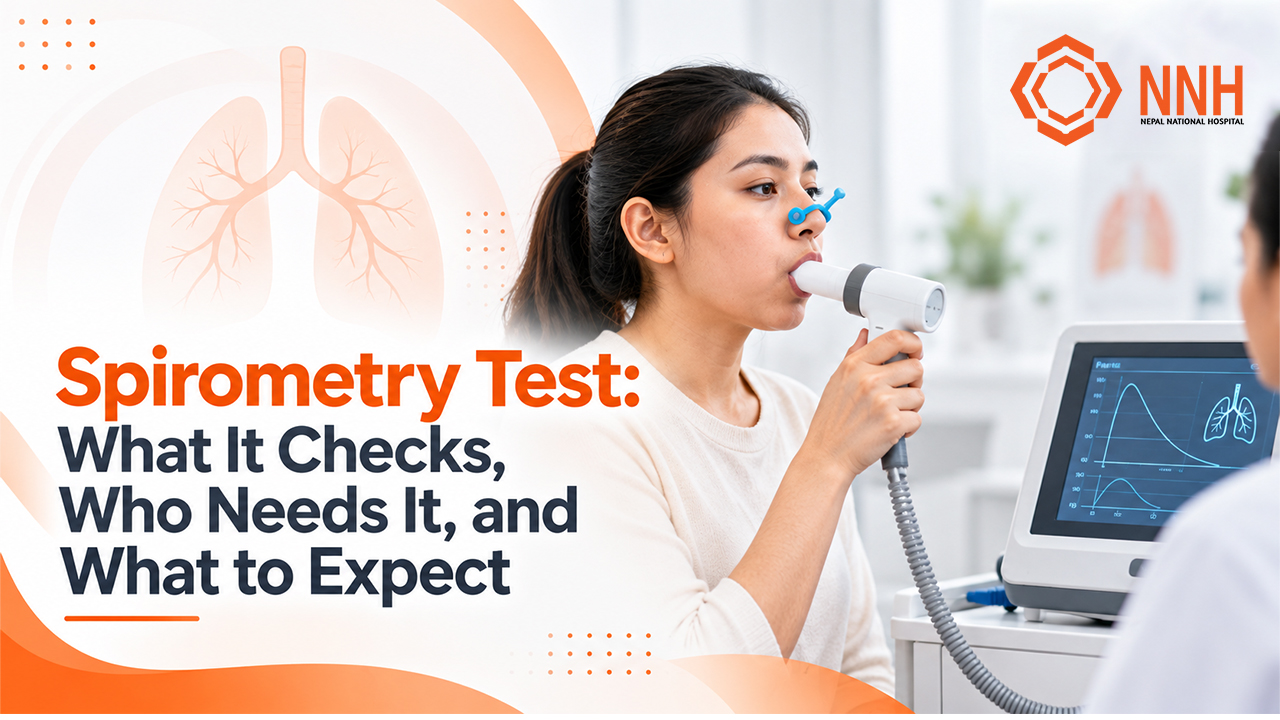
Spirometry Test: What It Checks, Who Needs It, and What to Expect

A spirometry test is the most common and foundational pulmonary function test (PFT) used in modern medicine. It measures how much air you can breathe into your lungs and how quickly and forcefully you can blow it out. By recording these airflow volumes over time, spirometry provides doctors with an objective, mechanical assessment of your …

Simple Habits to Keep Your Lungs Healthy

Healthy lungs help you breathe comfortably, stay physically active and carry out everyday activities. Every breath brings oxygen into your body and helps remove carbon dioxide, a waste product produced by your cells. Although breathing happens automatically, your lungs can be affected by daily habits, environmental pollution, tobacco smoke, infections and existing health conditions. Some …

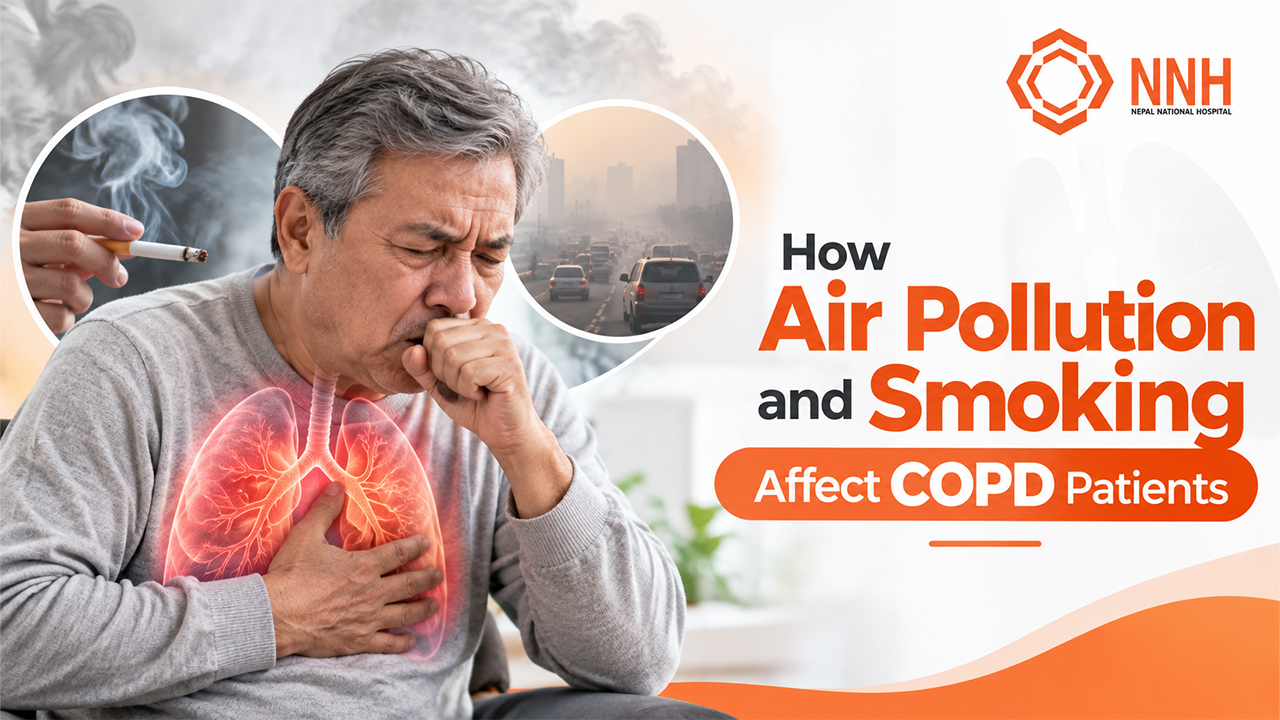
How Air Pollution and Smoking Affect COPD Patients

For someone living with chronic obstructive pulmonary disease (COPD), the air they breathe matters every day. Cigarette smoke, secondhand smoke, traffic pollution, construction dust, cooking smoke, fumes and other airborne irritants can place additional stress on lungs that already have limited airflow. Some exposures contribute to the development of COPD over many years, while others …

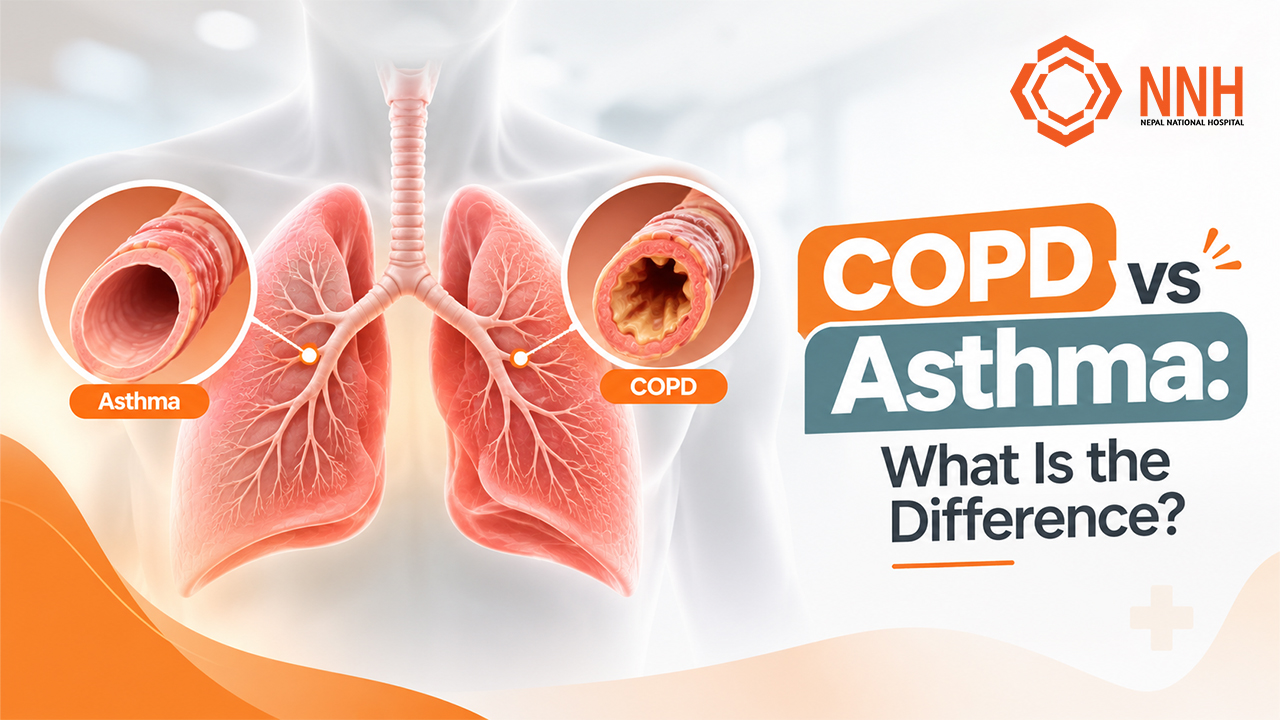
COPD vs Asthma: What Is the Difference?

COPD and asthma can look surprisingly similar. Both can cause cough, wheezing, shortness of breath and chest tightness, and both can suddenly become worse during a flare-up. They are not, however, the same lung condition. Asthma typically causes respiratory symptoms that vary over time and may be triggered by exercise, respiratory infections, allergens, smoke, weather …