
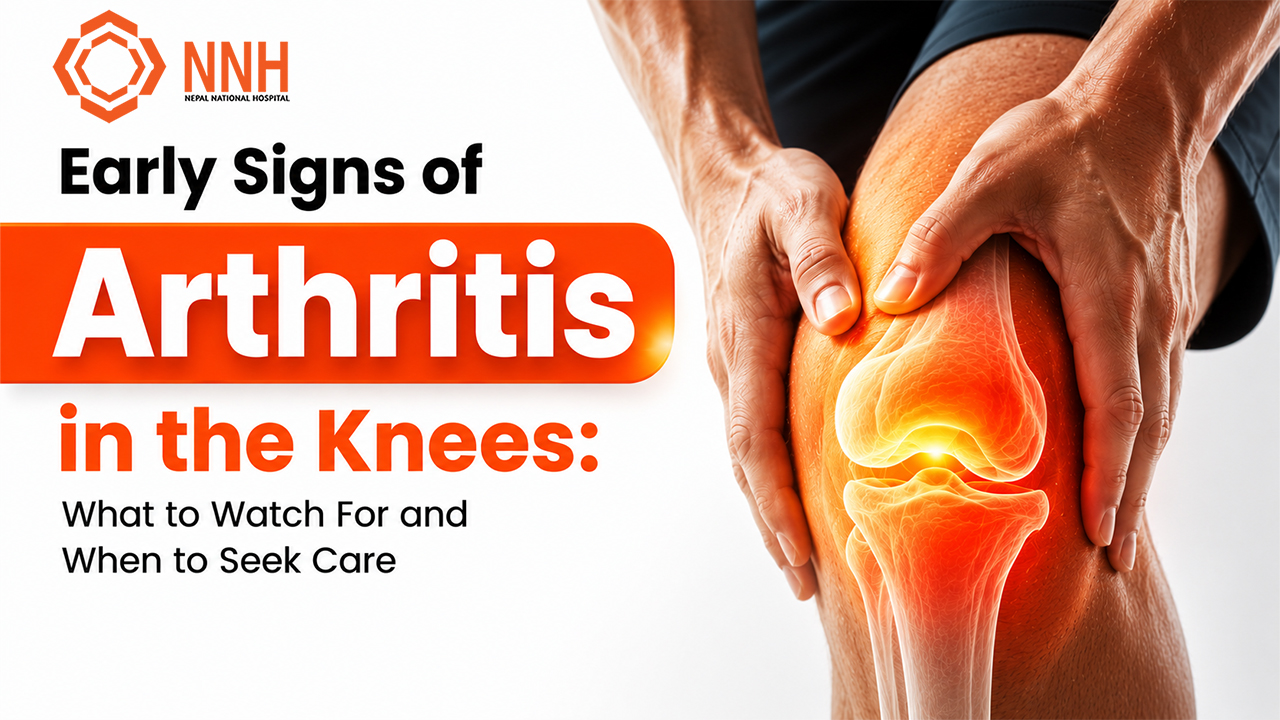
Knee pain is easy to ignore at first. Many people assume it is just part of getting older, the result of walking too much, or a temporary ache that will go away on its own. But when knee pain becomes frequent, or when stiffness and swelling begin to affect daily movement, it may be an early sign of arthritis.
Recognizing the early signs of knee arthritis is important because timely care can help protect your joints, reduce pain, and slow down further damage. For anyone searching for arthritis treatment in Nepal, understanding these warning signs is the first step toward getting the right support.
At Nepal National Hospital an orthopedic hospital in Kathmandu, Nepal, our orthopedic team focuses on early diagnosis, practical treatment, and long-term joint care. As a trusted orthopedic hospital in Nepal, we help patients manage knee arthritis before it begins to seriously affect their mobility and quality of life.
What Is Knee Arthritis?
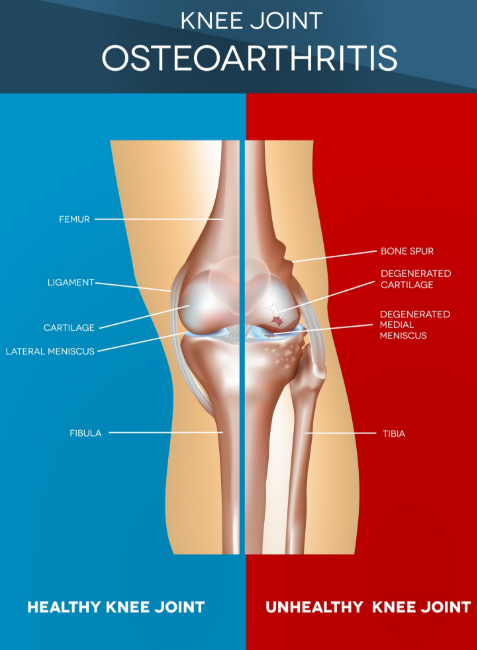
Arthritis is a general term used for many different joint conditions. In the knee, the most common type is osteoarthritis. This happens when the smooth cartilage that cushions the ends of the bones slowly wears down.
Cartilage works like a shock absorber. It helps your knee move smoothly when you walk, climb stairs, sit, stand, or bend. When this protective layer becomes thinner or rougher, the bones in the joint may begin to rub against each other. This can lead to pain, stiffness, swelling, and reduced movement.
Other types of knee arthritis include rheumatoid arthritis, which is related to the immune system, and post-traumatic arthritis, which can develop after a knee injury.
7 Early Signs of Arthritis in the Knees
Knee arthritis does not usually appear suddenly. In many cases, the symptoms come and go in the beginning. You may feel fine one day and uncomfortable the next. Paying attention to these early signs can help you seek treatment before the condition becomes more advanced.
1. Pain That Slowly Gets Worse
One of the earliest signs of knee arthritis is pain that develops gradually. It may start as mild discomfort after walking, climbing stairs, or standing for a long time.
At first, the pain may improve with rest. Over time, however, it may become more frequent and start affecting normal activities. Some people also feel pain after sitting for a long time or when they first wake up in the morning.
2. Morning Stiffness
If your knees feel stiff when you get out of bed, arthritis may be one possible reason. In osteoarthritis, morning stiffness often improves within 30 minutes after you begin moving.
If stiffness lasts longer or is accompanied by swelling in other joints, it may point toward inflammatory arthritis. In that case, it is important to visit an orthopedic hospital in Nepal for a proper evaluation.
3. Swelling Around the Knee
Swelling is another common early sign of knee arthritis. Sometimes the swelling feels soft because of extra fluid inside the joint. In other cases, it may feel harder due to changes in the bone or joint structure.
The knee may also feel tender or slightly warm. Swelling that keeps returning should not be ignored, especially if it affects walking, bending, or standing.
4. Grinding, Clicking, or Popping Sounds
Many people with knee arthritis notice a grinding or crunching sound when they bend or straighten the knee. This is called crepitus.
It can happen when the cartilage surface becomes uneven and the joint no longer moves as smoothly as before. Occasional sounds from the knee are not always serious, but if they come with pain or stiffness, it is worth getting checked.
5. Difficulty Bending or Straightening the Knee
As arthritis progresses, the knee may lose some of its normal flexibility. You may find it harder to fully bend your knee, straighten your leg, squat, climb stairs, or get in and out of a vehicle.
This limited range of motion can make everyday tasks more difficult. Early treatment can help maintain movement and prevent further stiffness.
6. Feeling Like the Knee May Give Way
Some people with knee arthritis feel that their knee is weak or unstable. It may feel like the knee might buckle while walking or standing.
This can happen because of joint damage, pain, swelling, or weakness in the surrounding muscles. Knee instability can increase the risk of falls, especially in older adults, so it should be evaluated early.
7. Pain That Changes With the Weather
Many patients notice that knee pain becomes worse during cold weather or before rainfall. Changes in temperature and air pressure may affect the tissues around the joint and make pain or stiffness more noticeable.
While weather sensitivity alone does not confirm arthritis, it can be one of the signs when combined with swelling, stiffness, and recurring knee pain.
How Knee Arthritis Is Diagnosed
When you visit an orthopedic specialist, diagnosis begins with a detailed discussion about your symptoms, activity level, medical history, and any past injuries.
A physical examination helps assess knee movement, swelling, tenderness, walking pattern, and joint stability. Depending on your symptoms, your doctor may also recommend imaging or blood tests.
X-rays are commonly used to check for joint space narrowing, bone spurs, and other signs of osteoarthritis. An MRI may be advised if the doctor needs to assess cartilage, ligaments, or meniscus injuries. Blood tests may be used when rheumatoid arthritis or another inflammatory condition is suspected.
A clear diagnosis helps your doctor choose the most suitable arthritis treatment in Nepal for your condition.
Arthritis Treatment Options in Nepal
The goal of arthritis treatment is not only to reduce pain. It is also to protect joint function, improve movement, and help patients stay active for as long as possible.
At Nepal National Hospital, treatment plans are tailored to each patient based on the stage of arthritis, pain level, lifestyle, age, and overall health.
Non-Surgical Treatment
Many patients with early knee arthritis can manage symptoms without surgery.
Physical therapy is one of the most effective treatment options. Strengthening the muscles around the knee, especially the quadriceps and hamstrings, helps reduce pressure on the joint.
Weight management can also make a big difference. Even a small reduction in body weight can reduce stress on the knees and improve comfort during walking.
Supportive devices such as knee braces, walking sticks, or shoe modifications may also help improve balance and reduce pain during movement.
Injection-Based Treatments
For patients who need more support but are not ready for surgery, injection therapies may be recommended.
Hyaluronic acid injections may help improve joint lubrication and reduce friction. Corticosteroid injections can help reduce inflammation and provide temporary relief during painful flare-ups.
Platelet-Rich Plasma, commonly known as PRP, uses healing components from the patient’s own blood to support tissue health and reduce inflammation in selected cases.
Your orthopedic doctor will decide whether these treatments are suitable for you after a full examination.
Surgical Treatment
When knee arthritis becomes advanced and non-surgical treatments no longer provide relief, surgery may be considered.
Arthroscopy may be used in selected cases to remove loose fragments or address specific joint problems. Partial knee replacement may be suitable when arthritis affects only one part of the knee.
For severe arthritis affecting the whole joint, total knee replacement may be recommended. This procedure replaces the damaged joint surfaces with artificial implants designed to restore movement and reduce pain.
Why Choose Nepal National Hospital for Knee Arthritis Care?
Nepal National Hospital is known for providing comprehensive orthopedic care in Kathmandu. Our team combines modern diagnostic tools, experienced orthopedic surgeons, physiotherapists, and patient-focused care.
We understand that every patient has different goals. Some want to return to work without pain. Some want to walk comfortably again. Others want to stay active with family, travel, or daily routines.
Our approach is simple: diagnose accurately, treat responsibly, and help patients make informed decisions about their joint health.
Expert Orthopedic Team
Our orthopedic specialists and physiotherapy team work together to create personalized treatment plans. Instead of focusing only on temporary pain relief, we aim to improve long-term mobility and quality of life.
Whether your arthritis is mild, moderate, or advanced, our team helps you understand your options clearly.
Modern Diagnosis and Treatment Planning
Accurate diagnosis is key to successful arthritis treatment. Nepal National Hospital uses advanced imaging and clinical assessment to understand the stage of arthritis and recommend the right care.
This ensures that patients receive treatment based on their actual condition, not guesswork.
Frequently Asked Questions
Can knee arthritis be cured?
There is no complete cure for arthritis, but it can be managed effectively. With early diagnosis, lifestyle changes, physiotherapy, medication, and proper treatment, many patients can reduce pain and stay active for years.
At what age does knee arthritis usually start?
Osteoarthritis is more common after the age of 50, but it can also affect younger people, especially those with previous knee injuries, sports-related damage, excess weight, or a family history of arthritis.
Is walking good for knee arthritis?
Yes, walking can be helpful when done correctly. Low-impact activities such as walking, swimming, and cycling help keep the joints flexible and muscles strong. However, if walking causes severe pain, it is best to consult an orthopedic specialist.
How do I know if I need knee replacement surgery?
Knee replacement may be considered if pain affects sleep, walking, daily activities, and quality of life, and if non-surgical treatments are no longer helping. A specialist can guide you after reviewing your symptoms and test results.
Where is Nepal National Hospital located?
Nepal National Hospital is located in Kalanki, Kathmandu. The hospital provides orthopedic consultations, arthritis care, and emergency trauma services.
Conclusion
Knee pain should not be ignored, especially when it keeps coming back or starts affecting your daily life. Stiffness, swelling, grinding sounds, weakness, and reduced movement can all be early signs of arthritis.
Seeking arthritis treatment in Nepal at the right time can help you manage symptoms, protect your joints, and avoid unnecessary complications. Early care often gives patients more treatment options and better long-term results.
If knee pain is limiting your movement, visit Nepal National Hospital, a trusted orthopedic hospital in Nepal, for a complete evaluation and personalized treatment plan.
Author Bio
This article is reviewed by the Orthopedic Department at Nepal National Hospital. Our team is committed to providing evidence-based musculoskeletal care, advanced orthopedic treatment, and compassionate support for patients across Nepal.
