
Introduction
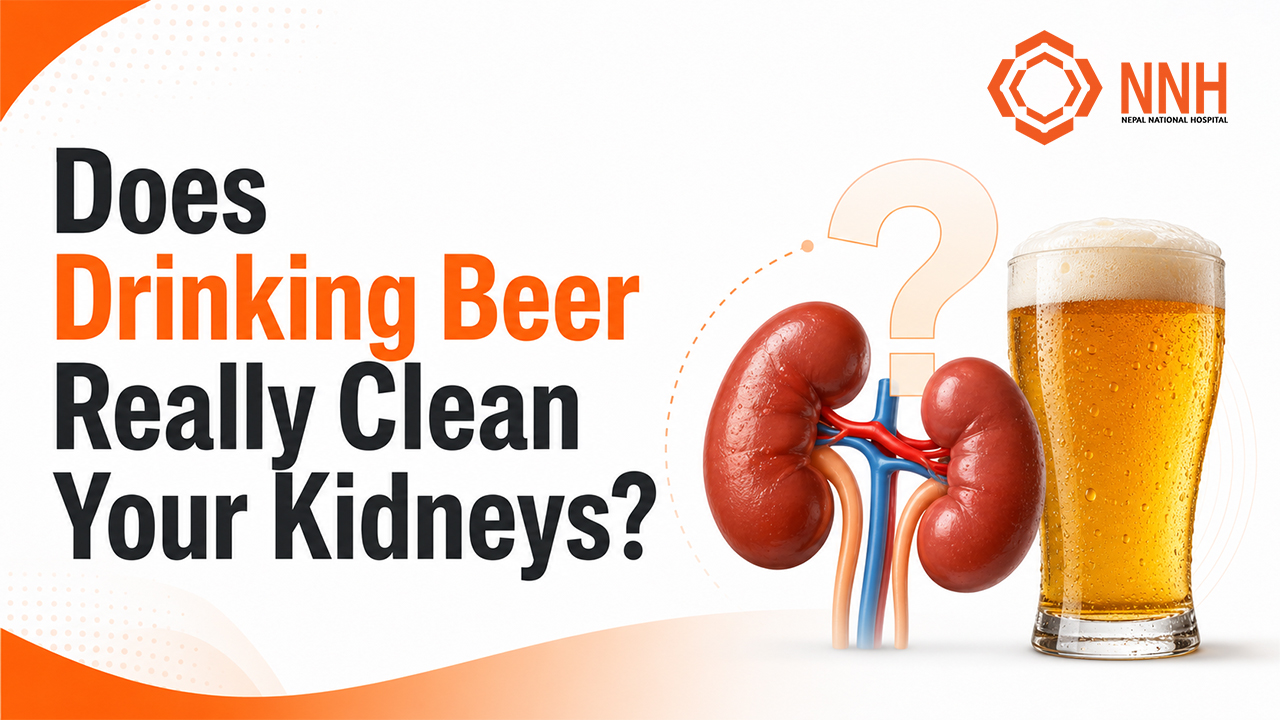
Does Drinking Beer Really Clean Your Kidneys? The simple medical answer is no. Beer does not clean the kidneys, detox the body, or cure kidney stones. Some people believe beer helps because it increases urine output, but that does not mean it is safe or effective for kidney health.
Your kidneys naturally filter waste, balance fluids, control minerals, and help regulate blood pressure. They do not need alcohol to “flush” or “clean” them. In fact, alcohol can cause dehydration, increase blood pressure, affect liver function, and worsen kidney problems in some people.
This blog explains the truth about beer and kidney health, what drinks actually support kidneys, and when to seek medical care.
What Do Kidneys Actually Do?
The kidneys are two bean-shaped organs located on both sides of the spine, below the rib cage. Their main job is to filter blood and remove waste through urine.
Healthy kidneys help the body by:
- Removing waste products from the blood
- Balancing water and minerals
- Controlling blood pressure
- Supporting red blood cell production
- Maintaining acid-base balance
- Removing extra salt and fluid
- Helping keep bones healthy through vitamin D activation
Kidneys work continuously. They do not stop filtering unless there is injury, disease, severe dehydration, infection, obstruction, or advanced kidney failure.
The idea that beer can clean the kidneys oversimplifies how these organs work. Kidneys are not pipes that can be washed with alcohol. They are delicate filtering organs that need proper hydration, healthy blood pressure, controlled sugar levels, and timely medical care.
Why Do People Think Beer Cleans the Kidneys?
The belief usually comes from one observation: after drinking beer, many people pass urine more frequently.
Beer contains alcohol, and alcohol has a diuretic effect. This means it can make the body produce more urine for a short time. Because of this, some people assume more urine means the kidneys are being cleaned.
But frequent urination is not the same as kidney cleansing.
Alcohol can make the body lose more water. If fluid loss is not balanced properly, dehydration may occur. Dehydration can make urine more concentrated, which may increase the risk of kidney stones in some people.
So, while beer may increase urination temporarily, it does not repair kidneys, remove toxins better, or treat kidney disease.
Does Drinking Beer Really Clean Your Kidneys?
No. Drinking beer does not clean your kidneys.
Beer may increase urine output for a short time, but this does not mean it improves kidney function. In some cases, alcohol can put extra stress on the body by causing dehydration, raising blood pressure, affecting sleep, increasing uric acid, and interfering with medicines.
For people with kidney disease, high blood pressure, diabetes, liver disease, gout, kidney stones, or those on dialysis, alcohol can be risky.
Beer and Kidney Health: Myth vs Fact
| Common Belief | Medical Reality |
| Beer cleans kidneys | Kidneys clean blood naturally; beer does not clean them |
| Beer removes kidney stones | It may increase urine briefly but is not a safe stone treatment |
| More urine means better kidney function | Frequent urination can also happen due to dehydration, diabetes, infection, or alcohol effect |
| Beer is better than water for kidneys | Water is safer and more supportive for hydration |
| Beer can replace treatment | Kidney stones, infection, and kidney disease need proper medical evaluation |
The safest message is clear: beer is not a kidney treatment.
Can Beer Help Pass Kidney Stones?
Beer should not be used as a treatment for kidney stones.
Some small stones may pass naturally with enough fluid intake and medical guidance. Because beer increases urine output temporarily, people may think it helps push stones out. However, this approach can be unsafe.
Beer may worsen the situation if:
- The stone is large
- The stone blocks urine flow
- There is severe pain
- There is infection
- The person cannot pass urine
- The person is dehydrated
- There is vomiting or fever
- Kidney function is already reduced
A blocked stone can become a medical emergency. Drinking beer in that condition may increase urine production behind a blockage and worsen pain or pressure.
Kidney stone treatment depends on stone size, location, symptoms, infection risk, and kidney function. Some stones need medicines, imaging, procedures, or emergency treatment.
Why Beer May Be Harmful for Kidney Health
Alcohol affects more than one organ. It can influence kidneys directly and indirectly through blood pressure, hydration, liver health, and hormones.
1. Beer Can Cause Dehydration
Alcohol can reduce the body’s ability to conserve water. This may increase urine output and fluid loss.
When the body becomes dehydrated, urine becomes more concentrated. Concentrated urine may allow minerals to crystallize more easily, which can contribute to stone formation in some people.
Dehydration may also worsen weakness, dizziness, headache, low blood pressure, and kidney stress.
2. Alcohol Can Raise Blood Pressure
High blood pressure is one of the major risk factors for chronic kidney disease. Excess alcohol may increase blood pressure, and uncontrolled blood pressure can damage kidney blood vessels over time.
Kidney disease can also worsen blood pressure, creating a harmful cycle.
People with hypertension should be especially careful with alcohol and follow medical advice.
3. Beer May Increase Uric Acid Risk
Beer contains purines, which can increase uric acid levels in some people. High uric acid may contribute to gout and uric acid kidney stones.
People with gout, recurrent kidney stones, or high uric acid should not use beer as a home remedy.
4. Alcohol Can Interact With Medicines
Many people with kidney problems also take medicines for blood pressure, diabetes, pain, infection, heart disease, or other conditions.
Alcohol may interact with medicines and increase side effects such as dizziness, bleeding risk, liver strain, stomach irritation, low sugar, sleepiness, or poor coordination.
Patients taking regular medicines should ask their doctor before drinking alcohol.
5. Alcohol Can Worsen Liver Disease
The liver and kidneys work together to keep the body stable. Severe liver disease can affect kidney function. Heavy alcohol use can damage the liver, and advanced liver problems may contribute to serious kidney complications.
Protecting kidney health also means protecting overall health.
What Happens to the Kidneys When You Drink Alcohol?
The effect depends on the amount, frequency, hydration status, overall health, and existing diseases.
| Alcohol Pattern | Possible Kidney-Related Effect |
| Occasional small amount in a healthy adult | Usually less risk, but not kidney-cleansing |
| Heavy drinking | Can raise blood pressure, cause dehydration, and increase health risks |
| Binge drinking | May increase risk of acute kidney stress, injury, accidents, and dehydration |
| Drinking with kidney disease | May worsen fluid balance, blood pressure, medicines, and overall health |
| Drinking while on dialysis | Can be dangerous due to fluid, potassium, blood pressure, and medicine concerns |
No alcohol is needed for kidney health. For many patients, avoiding alcohol is the safest choice.
Is Beer Good for People With Kidney Disease?
No, beer should not be considered good for kidney disease.
People with chronic kidney disease, nephropathy, kidney failure, high blood pressure, diabetes, gout, or kidney stones need individualized guidance. Alcohol may affect fluid balance, blood pressure, uric acid, medicine safety, and overall disease control.
Patients on dialysis need even more caution. Beer adds fluid volume, may contain potassium and phosphorus depending on the beverage, and can interfere with treatment goals.
Anyone with kidney disease should discuss alcohol with a nephrologist or treating doctor.
What Is the Best Drink to Flush Your Kidneys?
The best drink for supporting normal kidney function is usually water, unless a doctor has advised fluid restriction.
But the word “flush” can be misleading. Healthy kidneys do not need detox drinks, beer, or special cleanses. They need enough safe fluid, balanced diet, controlled blood pressure, and proper management of diabetes or other medical conditions.
Kidney-Friendly Hydration Options
| Drink | Kidney Health Note |
| Water | Best general option for hydration |
| Lemon water | May support citrate intake in some stone-prone people |
| Unsweetened fluids | Better than sugary drinks |
| Oral rehydration solution | Useful in dehydration, diarrhea, or vomiting when advised |
| Herbal drinks | Should be used carefully; some may not be safe in kidney disease |
People with kidney failure, heart failure, low sodium, or dialysis needs may have fluid limits. In such cases, drinking too much water can also be harmful.
Signs Your Kidneys May Need Medical Attention
Kidney disease can be silent in the early stages. Many people do not feel symptoms until the condition becomes advanced.
Seek medical evaluation if you notice:
- Swelling of legs, face, or around eyes
- Reduced urine output
- Blood in urine
- Foamy urine
- Burning urination
- Frequent urination at night
- Severe side or back pain
- Fever with urinary symptoms
- High blood pressure
- Uncontrolled diabetes
- Nausea, vomiting, or loss of appetite
- Severe weakness or fatigue
- Shortness of breath with swelling
- Confusion or drowsiness in severe illness
These symptoms do not always mean kidney failure, but they should not be ignored.
When Is Kidney Pain an Emergency?
Emergency care is needed when kidney-related symptoms are severe or sudden.
Visit emergency care if there is:
- Severe side pain with vomiting
- Fever with kidney pain
- No urine or very little urine
- Blood in urine with pain
- Swelling with breathing difficulty
- Very high blood pressure
- Confusion or extreme weakness
- Known kidney disease with sudden worsening
- Dialysis patient with missed dialysis and symptoms
Timely treatment can protect kidney function and prevent complications.
Common Kidney Problems That Need Proper Treatment
Beer, home remedies, and detox drinks cannot treat kidney disease. The right treatment depends on diagnosis.
1. Kidney Stones
Kidney stones may cause severe side pain, blood in urine, nausea, vomiting, burning urination, or frequent urination.
Treatment depends on size and location. Small stones may pass with medical guidance, but larger or blocked stones may need procedures.
2. Urinary Tract Infection
A urinary tract infection may cause burning urination, fever, frequent urination, lower abdominal pain, or cloudy urine.
If infection reaches the kidney, symptoms may include fever, chills, back pain, nausea, and weakness. Kidney infection needs medical treatment.
3. Chronic Kidney Disease
Chronic kidney disease means kidney function is reduced over time. It is commonly linked with diabetes, high blood pressure, recurrent infections, autoimmune disease, kidney stones, or long-term medicine use.
Early detection can slow progression.
4. Diabetic Nephropathy
Diabetes can damage tiny kidney blood vessels. This may lead to protein leakage in urine and gradual decline in kidney function.
Regular sugar control, blood pressure control, urine testing, and kidney function testing are important.
5. Acute Kidney Injury
Acute kidney injury means kidney function drops suddenly. It can happen due to dehydration, infection, low blood pressure, obstruction, certain medicines, or severe illness.
This condition can sometimes improve if treated quickly, but delay can be dangerous.
Important Tests for Kidney Health
A doctor may recommend tests based on symptoms and risk factors.
| Test | What It Checks |
| Serum creatinine | Helps estimate kidney function |
| eGFR | Shows how well kidneys filter blood |
| Urine routine test | Checks protein, blood, infection, crystals |
| Urine albumin-creatinine ratio | Detects early kidney damage, especially in diabetes |
| Electrolytes | Checks sodium, potassium, and other minerals |
| Ultrasound | Looks for stones, swelling, obstruction, and kidney size |
| Blood pressure check | Important because BP and kidneys affect each other |
| Blood sugar/HbA1c | Helps detect diabetes-related kidney risk |
Testing is important because many kidney problems are treatable when detected early.
Beer vs Water for Kidney Health
| Factor | Beer | Water |
| Hydration | Can increase urine loss and dehydration risk | Supports hydration |
| Kidney cleansing | Does not clean kidneys | Supports normal kidney function |
| Kidney stones | Not a safe treatment | Often recommended for prevention, depending on condition |
| Blood pressure | Excess alcohol may raise BP | No alcohol-related BP effect |
| Medicine interaction | Possible | Usually safer |
| Dialysis patients | Often unsafe due to fluid/alcohol issues | Fluid intake must follow doctor’s limit |
Water is not a cure for kidney disease, but it is generally the safest hydration choice for people without fluid restrictions.
Can Alcohol Cause Kidney Failure?
Alcohol alone is not the only cause of kidney failure, but heavy drinking can contribute to conditions that damage kidneys.
It may increase kidney risk through:
- High blood pressure
- Dehydration
- Liver disease
- Accidents and severe illness
- Poor diabetes control
- Medicine interactions
- Poor nutrition
- Higher risk of infections or inflammation
Long-term kidney protection requires controlling risk factors, not relying on alcohol myths.
Who Should Avoid Beer for Kidney Safety?
Some people should avoid alcohol or use it only after medical advice.
This includes people with:
- Chronic kidney disease
- Kidney failure
- Dialysis treatment
- Kidney stones
- High uric acid or gout
- High blood pressure
- Diabetes
- Liver disease
- Heart failure
- Pregnancy
- Certain medicine use
- History of alcohol dependence
- Teenagers and underage individuals
For these groups, alcohol may create more risk than benefit.
What About “Kidney Detox” Drinks?
Many people search for kidney detox drinks, herbal cleanses, or natural flushing remedies. Most are not necessary for healthy kidneys, and some may be unsafe for people with kidney disease.
The kidneys already detox the blood naturally. A healthy lifestyle supports this process better than detox products.
Helpful habits include:
- Drinking enough water unless restricted
- Controlling blood pressure
- Managing diabetes
- Reducing excess salt
- Avoiding unnecessary painkillers
- Treating infections early
- Not smoking
- Maintaining healthy weight
- Regular kidney function testing if at risk
Natural does not always mean safe. Herbal products may contain minerals or compounds that affect kidney function.
Kidney Health and Diet: What Helps?
A kidney-supportive diet depends on whether the person has normal kidney function, kidney stones, diabetes, high blood pressure, or chronic kidney disease.
General kidney-friendly habits include:
| Habit | Why It Helps |
| Reduce excess salt | Helps control blood pressure and swelling |
| Avoid sugary drinks | Supports diabetes and weight control |
| Eat balanced protein | Avoids extreme protein load |
| Choose fruits and vegetables wisely | Supports general health; CKD patients may need potassium guidance |
| Stay hydrated | Helps urine dilution in many healthy people |
| Limit processed food | Reduces sodium and additives |
| Avoid excessive alcohol | Reduces BP, dehydration, and liver risks |
Patients with chronic kidney disease should not follow random diet plans. Their diet may need potassium, phosphorus, protein, salt, and fluid adjustments.
Role of a Kidney Hospital
Kidney problems require timely diagnosis and proper monitoring. A kidney hospital in Nepal may provide evaluation for kidney stones, urinary problems, kidney infection, chronic kidney disease, diabetes-related kidney disease, hypertension-related kidney damage, and dialysis needs.
Nepal National Hospital provides kidney-related care, emergency support, diagnostic services, and dialysis services. For patients with kidney failure, timely dialysis can be life-sustaining.
The hospital also provides 24/7 dialysis in Nepal, which is important for patients who need regular or emergency dialysis support.
When Is Dialysis Needed?
Dialysis is a treatment that removes extra waste, salt, and fluid from the blood when kidneys cannot do this properly.
Dialysis may be needed in:
- Advanced kidney failure
- Severe fluid overload
- Dangerous potassium levels
- Severe acid buildup
- Uremic symptoms
- Some cases of acute kidney injury
- Missed dialysis with worsening symptoms
Dialysis does not mean every kidney problem has reached the same stage. Some patients need temporary dialysis, while others need long-term dialysis depending on the cause.
How to Protect Your Kidneys Without Beer
Beer is not needed for kidney health. Safer ways to protect kidneys include:
- Drink enough water unless your doctor has restricted fluids
- Control blood pressure
- Manage diabetes properly
- Reduce excess salt
- Avoid frequent use of painkillers without medical advice
- Treat urinary infections early
- Maintain healthy weight
- Avoid smoking
- Do regular kidney tests if at risk
- Consult a doctor for kidney stone symptoms
These steps are more effective and safer than using alcohol as a home remedy.
FAQ: Does Beer Help Your Kidneys?
No. Beer does not clean, detox, or improve kidney function. It may increase urine temporarily, but it can also cause dehydration, raise blood pressure, increase uric acid risk, and worsen kidney problems in some people.
FAQ: Can I Drink Alcohol If I Have MS?
If MS means multiple sclerosis, alcohol should be discussed with your neurologist. Alcohol may worsen balance, coordination, fatigue, sleep, bladder symptoms, and thinking in some people with MS. It may also interact with medicines. Avoid alcohol if symptoms worsen or your doctor advises against it.
FAQ: What Is the Best Drink to Flush Your Kidneys?
Water is usually the best drink to support kidney function, unless you have been advised to limit fluids. Kidneys do not need special flushing drinks. People with kidney failure, dialysis, heart failure, or low sodium should follow doctor-recommended fluid limits.
FAQ: Should You Drink Beer If You Have Kidney Problems?
No, not without medical advice. People with kidney disease, kidney stones, dialysis needs, high blood pressure, diabetes, gout, or liver disease should avoid using beer as a kidney remedy. It may worsen dehydration, blood pressure, uric acid, or medicine-related risks.
FAQ: Which Alcohol Is Least Harmful to Your Kidneys?
No alcohol is kidney-friendly or kidney-cleansing. For adults who already drink, lower quantity and less frequent drinking generally carries less risk than heavy or binge drinking. People with kidney disease should ask their doctor because the safest option may be complete avoidance.
FAQ: How Long Does It Take for Kidneys to Repair Themselves?
It depends on the cause. Mild dehydration-related kidney stress may improve within days with proper treatment. Acute kidney injury may take days to weeks or longer. Chronic kidney disease usually does not fully reverse, but treatment can slow progression. Severe kidney failure may require dialysis.
Conclusion
Does Drinking Beer Really Clean Your Kidneys? The medical truth is no. Beer does not clean the kidneys, cure kidney stones, or replace treatment. It may increase urination for a short time, but it can also cause dehydration, raise blood pressure, increase uric acid risk, and worsen kidney-related problems.
The safest way to support kidney health is proper hydration, blood pressure control, diabetes management, low-salt diet, regular kidney testing, and timely medical consultation when symptoms appear.
For kidney pain, urinary symptoms, swelling, high blood pressure, diabetes-related kidney concerns, or dialysis needs, early evaluation is important. Nepal National Hospital provides kidney care services and 24/7 dialysis support in Nepal for patients who need timely medical care.
Author: Nepal National Hospital Medical Content Team
Nepal National Hospital provides patient-centered healthcare services, emergency care, diagnostic support, kidney care, and dialysis services in Nepal. This article is prepared for public health education and should not replace consultation with a qualified doctor.