
Knee Pain Treatment should begin with one simple question: why does your knee hurt? Whether the pain started after climbing stairs, a sports injury, long hours of standing, or gradual wear and tear, ignoring it can make daily life harder. For people looking for expert musculoskeletal care in Kathmandu, early assessment matters because knee pain can come from ligaments, cartilage, tendons, arthritis, overuse, or poor joint mechanics. Nepal National Hospital in Kalanki, Kathmandu has an Orthopedics Department and 24/7 emergency access for patients who need timely evaluation and treatment.
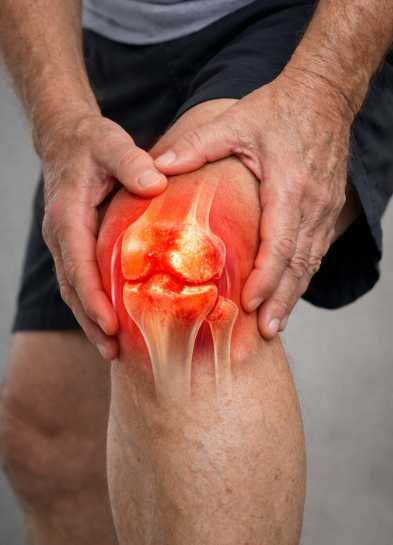
The knee is one of the body’s most heavily used joints. It absorbs impact, helps with walking and climbing, and supports balance during daily movement. Because it works so hard, it is also vulnerable to injury, strain, inflammation, and age-related degeneration. Some knee problems improve with rest, physiotherapy, and guided exercise, while others need imaging, procedures, or surgery.
Why knee pain should never be ignored
Knee pain is not a diagnosis on its own. It is a symptom. It may signal a simple strain, but it can also point to cartilage damage, ligament injury, arthritis, tendon inflammation, or mechanical problems inside the joint. The longer significant pain, swelling, or instability is left untreated, the harder it may become to return to comfortable movement. AAOS and Mayo Clinic both advise prompt evaluation when knee pain follows a major injury, prevents weight-bearing, causes sudden swelling, or comes with deformity or a popping sensation.
Common causes of knee pain
1. Overuse and repetitive strain
One of the most common reasons for knee pain is overuse. Repeated running, jumping, stair climbing, kneeling, or physically demanding work can irritate the tissues around the knee. Cleveland Clinic notes that repetitive strain and overuse are frequent triggers of knee pain, especially in active people or those whose work stresses the joint daily.
2. Ligament, meniscus, and soft tissue injuries
Twisting the knee, landing awkwardly, or sudden sports movement can injure the ACL, MCL, meniscus, or surrounding soft tissues. AAOS lists common warning signs of more serious knee injury as swelling, limping, severe pain, and difficulty moving the joint.
3. Osteoarthritis
Osteoarthritis is one of the leading causes of chronic knee pain, especially in middle-aged and older adults. AAOS explains that knee osteoarthritis develops gradually as the cartilage wears away, narrowing the protective space between bones and causing pain, stiffness, and reduced function over time.
4. Tendinitis and bursitis
Pain at the front or around the knee may come from irritated tendons or inflamed bursae. NHS guidance notes that tendon-related pain can appear after repetitive activity, including running and jumping.
5. Fracture or trauma
Falls, road traffic accidents, and direct blows can damage the bones and supporting structures around the knee. In such cases, early orthopedic assessment is important to avoid further damage and to guide the right treatment plan.
How knee pain starts
Knee pain usually starts in one of two ways: suddenly or gradually. Sudden knee pain often follows a twist, fall, overstretching injury, or sports accident. Gradual knee pain is more often linked to overuse, muscle imbalance, tendon irritation, or joint wear and tear such as osteoarthritis. NHS says sudden pain is commonly related to injury or overuse, while osteoarthritis tends to build slowly and worsen over time.
In practical terms, some people first notice knee pain while walking downstairs, standing up from a chair, squatting, or getting out of bed in the morning. Others feel clicking, stiffness, or a sense that the knee is not stable. These early symptoms may look minor, but if they keep returning, they deserve evaluation.
Symptoms that may come with knee pain
Knee pain is often accompanied by other signs that help doctors identify the cause. Common symptoms include:
- swelling around the joint
- stiffness, especially after rest
- pain while bending or straightening the knee
- locking, catching, or clicking
- warmth or tenderness
- reduced range of motion
- weakness or the feeling that the knee may give way
What causes knee pain in females?
Knee pain in females can be caused by the same major problems seen in males, including injury, overuse, arthritis, tendon problems, and weight-related joint stress. However, some causes are especially important in women. Mayo Clinic notes that people assigned female at birth are more likely to develop osteoarthritis, and WHO also states that osteoarthritis affects women more than men.
Biomechanics may also play a role. UCSF Health explains that women often have wider hips and a different leg alignment pattern, which can place extra stress on the knees and increase injury risk in some cases. Weight gain, muscle weakness, previous knee injury, repetitive household or occupational strain, and menopause-related changes may also contribute to persistent knee pain in females.
Which exercise for knee pain?
The best exercise for knee pain depends on the cause. In general, low-impact strengthening and mobility exercises are safer and more helpful than high-impact activities when pain is present. AAOS says that conditioning programs after knee injury or surgery should focus on strengthening the muscles that support the knee, because stronger muscles reduce stress on the joint and help absorb shock.
Commonly recommended exercises for many types of knee pain include:
- straight-leg raises
- static quadriceps strengthening
- supported leg raises
- seated knee extension stretch
- bridging
- sit-to-stand
- Step-ups
Mayo Clinic also notes that exercises that strengthen the quadriceps and hamstrings can help reduce knee pain related to osteoarthritis. The key is choosing exercises that help without sharply increasing pain. If your knee is swollen, unstable, or painful after an injury, you should get medical advice before starting a new exercise routine.
What does Knee Pain Treatment involve?
Effective knee care usually begins with a proper orthopedic evaluation. Treatment depends on the cause, the severity of symptoms, your age, activity level, and whether the pain is acute or chronic. A patient with a strain or mild tendon irritation may need rest, activity modification, ice, medication, bracing, and physiotherapy. A patient with a meniscus tear, ligament injury, or advanced arthritis may need imaging and more advanced treatment.

At Nepal National Hospital, the Orthopedics Department includes senior orthopedic and spine surgeons, orthopedic trauma specialists, and consultant orthopedic surgeons. The hospital’s published orthopedic service information highlights fracture management, arthroscopic procedures, joint replacement surgeries, spine care, trauma support, rehabilitation, and physiotherapy-linked recovery. For patients searching for an orthopedic hospital in Kathmandu, that kind of full-service orthopedic support matters because knee pain sometimes needs more than medication alone.
When should you see an orthopedic doctor?
You should consider seeing an orthopedic doctor if:
- your knee pain lasts more than a few days and is not improving
- the joint is swollen, red, warm, or stiff
- you cannot fully bend or straighten the knee
- the knee feels unstable or gives way
- walking, stairs, or daily work are becoming difficult
- pain started after a fall, twist, road accident, or sports injury
- you heard a pop during injury
- you cannot bear weight on the leg
Seek urgent care right away if there is deformity, sudden large swelling, intense pain, fever with knee symptoms, or inability to stand on the leg. These can point to a fracture, serious ligament injury, infection, or another condition that needs immediate evaluation.
How long does knee pain last after surgery?
This depends on the type of surgery. After knee arthroscopy, NHS says recovery can take from around 1 week to several months, depending on the procedure and the patient’s health. Cleveland Clinic notes that pain and swelling after arthroscopy usually improve after a few days, but patients may still need a few weeks of gradual recovery.
After knee replacement surgery, recovery is longer. Cleveland Clinic says full recovery can take up to a year, and Mayo Clinic material notes that pain, soreness, bruising, and swelling can take weeks to months to settle, while some numbness may last longer. So the practical answer is this: mild postoperative pain is expected for a period, but worsening pain, heavy swelling, fever, wound leakage, or inability to progress should always be reviewed by your surgeon.
Why choose Nepal National Hospital for orthopedic care?
Nepal National Hospital is based in Kalanki, Kathmandu and lists an active Department of Orthopedics on its official website. Its published materials highlight orthopedic specialists, trauma care, arthroscopy, joint replacement, rehabilitation support, and 24/7 emergency access. For patients who want coordinated care under one roof, that combination is valuable, especially when knee pain may require consultation, imaging, procedure-based treatment, and recovery support.
Final thoughts
Knee pain may begin as a small discomfort, but it can quickly affect mobility, sleep, work, and quality of life. The right response is not to guess the cause and keep waiting. It is to identify whether the pain is coming from overuse, injury, arthritis, or another joint problem and then treat it early.
If you are looking for Knee Pain Treatment in Kathmandu, getting assessed by a qualified orthopedic team can help you move from uncertainty to a clear diagnosis and a practical treatment plan. Nepal National Hospital offers orthopedic services in Kalanki, Kathmandu, along with emergency access and rehabilitation-focused care for patients dealing with joint, bone, and injury-related problems.
FAQ
What causes knee pain in females?
Knee pain in females is commonly caused by osteoarthritis, overuse, previous injury, tendon irritation, weight-related joint stress, and muscle weakness. Women are also more likely to develop osteoarthritis, and anatomical differences can place extra stress on the knee in some cases.
Which exercise for knee pain?
The safest starting point is usually low-impact exercise that strengthens the muscles around the knee. Straight-leg raises, quadriceps strengthening, supported leg raises, sit-to-stand, and step-ups are commonly recommended, but the best choice depends on the cause of pain.
How does knee pain start?
Knee pain can start suddenly after a twist, fall, overstretching injury, or sports movement. It can also start gradually from overuse, muscle imbalance, tendon irritation, or osteoarthritis that worsens over time.
How long does knee pain last after surgery?
After knee arthroscopy, pain and swelling often start improving within days, but full recovery can range from about 1 week to several months. After knee replacement, soreness and swelling can last for weeks to months, and full recovery may take up to a year.
Need expert evaluation for persistent knee pain?
Nepal National Hospital in Kalanki, Kathmandu offers orthopedic consultation, trauma support, and 24/7 emergency access. You can reach the hospital at +977 01 5225101 / 5225103, with emergency hotline 1147 listed on the official contact page.